
Consulting · UX, UI, product design and research
UX, UI and product design consulting for AI products
UX research, UI and product design for AI features: interfaces people trust, states that handle uncertainty and research that changes decisions.
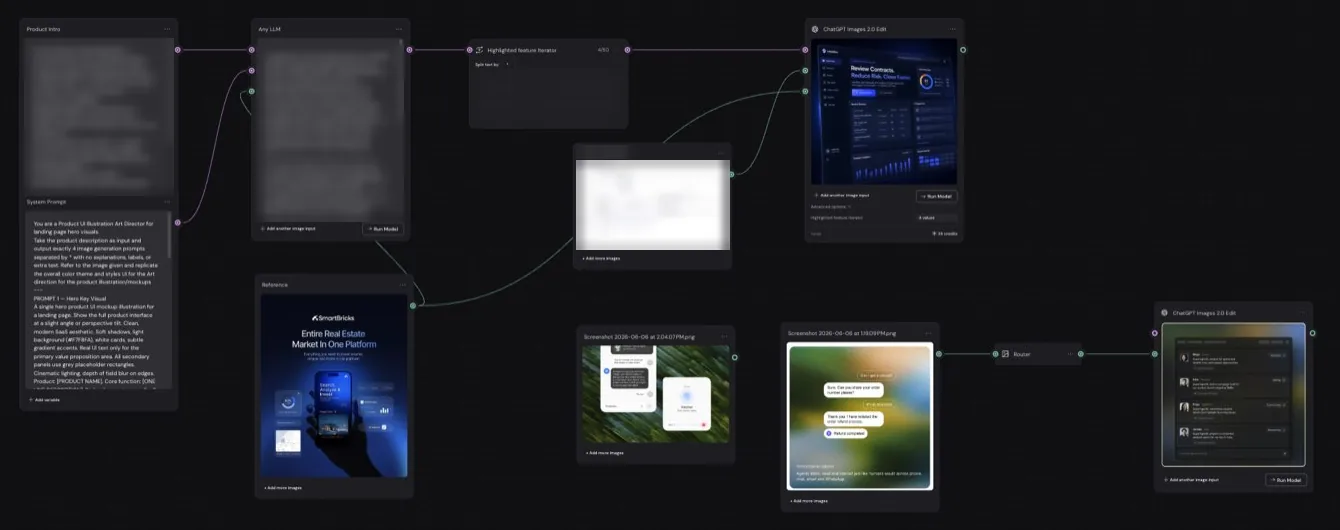
Interfaces used to show people what software had done. AI interfaces now show people what software is about to do on their behalf, and ask them to judge it. That changes the design job. The screen has to carry uncertainty, show the plan, invite correction and make the handoff to a person feel normal.
We design those interfaces, and we run the research that tells you whether they work. The studio grew out of an extensive UX/UI background, and this track is where that craft meets AI products head on.
Built for
- A product team whose AI feature works in the demo and confuses people in production. Usage drops after the first wrong answer, and the team cannot see why.
- A design lead asked to design AI features with no playbook. You need patterns for AI states and a research method that fits AI products.
- A regulated business adding AI to a customer journey. You need explanations, consent and escalation paths that hold up with customers and with compliance.
Deliverables
- Research plan and report. A mixed-methods study matched to the decision you need to make, with findings traced to evidence.
- AI state inventory. Every state your AI feature can be in, from loading and low confidence to wrong, corrected and escalated, with a design for each.
- Interaction and UI design. Flows and high-fidelity screens in Figma, including the controls that let people steer, undo and approve.
- Autonomy map. For each task, how much the AI does alone and where a person approves, set by risk.
- Pattern documentation. Design system entries for your AI components so your team can reuse them.
- Usability test. Sessions with real users on the prototype or the live feature, with the changes that followed.
UX research, mixed methods
AI products give you two streams of evidence. Traces and eval scores show what the system did at scale. Interviews and usability sessions show what people understood, trusted and did next. We combine them on purpose. A typical design runs quantitative first: eval failure clusters tell us where to look, then sessions with users explain why those failures hurt. Sometimes the order reverses, with interviews first and a survey or instrumented test to size what we heard.
The methods we reach for on AI work:
- Wizard of Oz tests to try an AI experience before anyone builds the model.
- Trace review sessions where designers and PMs read real agent runs together.
- Diary studies to see how trust shifts after the first failure, over weeks of use.
- Usability tests on prototypes and live features, moderated by a person.
AI helps us with transcription, notes and a first pass at clustering. Every finding still links back to a quote or a session. Mixed methods UX research in the AI era sets out the approach.
UI and interaction design for AI
We design for trust calibration: people should rely on the AI when it is reliable and use their own judgment when it is not. In practice we show confidence where decisions happen and cite the sources the model used. Disclaimers stay plain and sit next to the input. Correcting the AI costs one click. UX for AI: designing AI products people trust covers the patterns.
Product design and design systems
Beyond the AI surfaces, we do the rest of the product: information architecture, core flows, UI and a design system that keeps the next screen consistent with the last. Brand and visual identity work sits here too, when a product needs one.
Working together
- Frame. Kickoff on the decision, the users and what you already know.
- Research. The study that fits, run with real participants.
- Design. States, flows and UI, reviewed with your team in Figma.
- Test. Usability sessions on the prototype or the live feature.
- Document. Patterns and handover notes your team can keep using.
See the engagement formats and pricing. We work remote and async first from Kuala Lumpur (UTC+8).
The craft difference
- Every AI state gets a design. A happy-path mockup is a first draft. We design what the screen does when the model is slow, unsure, wrong or overruled. AI error handling UX shows why.
- Synthetic for rehearsal, humans for decisions. We use AI to prepare research and real people to decide.
- A critique pass before anything ships. Every deliverable gets checked against the slop test before you see it. Default gradients, fake data, happy-path-only flows and vague copy all fail.
Proof
Marcus's faculty role at AiTraining2U is "UI/UX Director + Product Manager" on AI Vibe Coding and "Agent UX & Workflow Design" on the Claude orchestration programme. More on the about page.
TBC: first consented case study or before/after pair for this track.
Related insights
- UX for AI: designing AI products people trust
- Mixed methods UX research in the AI era
- Levels of autonomy for AI agents: set the dial
If your research shows the problem sits upstream, in which use case to build, the AI products track handles that. Designers moving into AI product design can apply for coaching on the designer path.
Questions people ask
Can you work with our in-house designers?
Yes, and we prefer it. We pair with your designers on the AI states and the research, and leave patterns and documentation your team can keep extending.
Do you use synthetic users or AI-moderated interviews?
For rehearsal, yes: drafting interview guides, generating hypotheses, testing a script. For decisions, no. Decisions come from real people, and we tell you which findings came from which source.
Can you do research without a working AI feature?
Yes. A Wizard of Oz study, with a person playing the AI behind a prototype, lets you test an AI experience before the model exists.
Do you still do brand identity work?
Brand and visual identity now sit inside this track, as part of product design work. TBC: confirm brand identity is no longer offered as a standalone service.
Do you work with teams outside Malaysia?
Yes. We are based in Kuala Lumpur and work remote with teams worldwide. Remote research sessions run in the participant's time zone.
How do you handle time zones?
Design reviews happen async in Figma with written or recorded notes. We place one weekly live call in the overlap window, and schedule research sessions around your users.
Related insights
AI Error Handling UX: When the AI Gets It Wrong
Your AI feature will be wrong in front of users. Design recovery first: cheap correction, scoped answers, honest uncertainty and a clean human handoff.
9 min read
Levels of Autonomy for AI Agents: Set the Dial
Autonomy is a design decision, separate from what the model can do. Use five user roles, from operator to observer, to set how much an AI agent does alone.
8 min read
Mixed Methods UX Research in the AI Era
Mixed methods UX research for AI products: which design to pick, where traces and evals fit, how to use AI in synthesis, and where synthetic users belong.
9 min read
Next step
Tell us what you're building
Based in Kuala Lumpur, working with teams worldwide.